
Spirit of the Game
A Sport with No Referees
A truly unique and defining element of ultimate, Spirit of the Game places the responsibility of fair play solely on the athletes themselves by requiring each player to know the rules and make their own calls, without the help of a neutral official. These underlying principles reinforce mutual respect and trust between opponents; communication and conflict resolution skills; and self confidence – both on and off the field of play.
The Basics of Spirit

Players make their own calls.
As a self-officiated sport, ultimate depends on personal responsibility. It places the obligation and expectation to play fairly on the players in order to maintain the integrity of the game.
Spirit is part of the rules.
Spirit and its principles are written directly into the official rules of ultimate, establishing a fundamental requirement to know the rules and not intentionally violate them while playing hard and having fun.


Focus on fair play.
Spirit of the Game emphasizes a different take on sports. Instead of promoting a win-at-all-costs mentality, Spirit expects players not to take advantage of, or knowingly break the rules.
The Three Roles of an Ultimate Player

Competitor
Highly competitive play is encouraged, but not at the expense of the rules or the opponent.

Teammate
Players are expected to support and advise teammates when there is confusion about a call, or correct teammates about wrong or unnecessary calls.

Official
Know the rules. Players are expected to only make significant calls and resolve disputes respectfully while remaining open to other perspectives.
u0022Highly competitive play is encouraged, but never at the expense of mutual respect among competitors, adherence to the agreed upon rules, or the basic joy of play.u0022
–Official Rules of Ultimate
The Look of Spirit

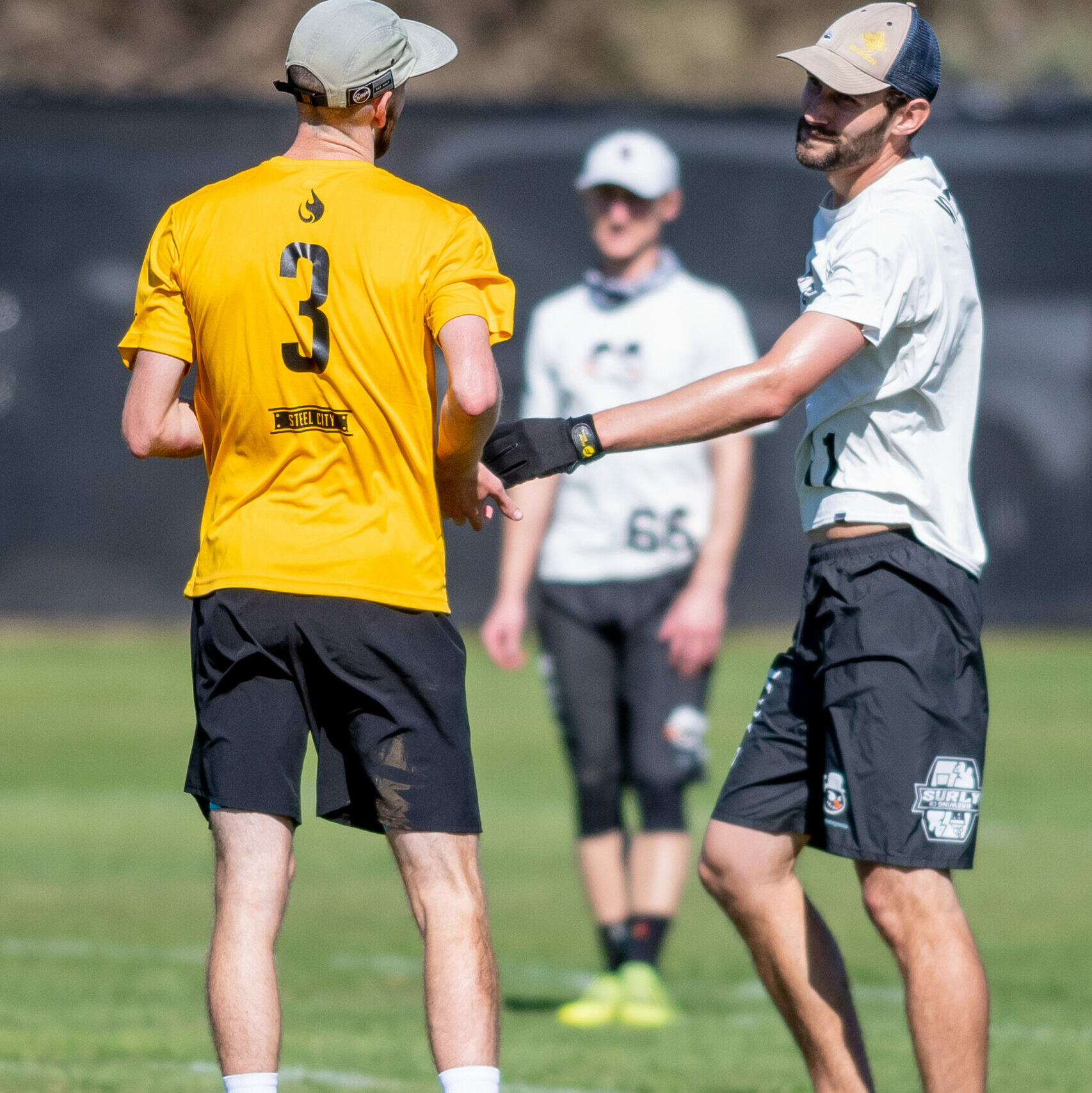
Mutual Respect
Making the right call and actively listening to opposing viewpoints are examples of good Spirit and develop mutual respect between competitors.rnrn

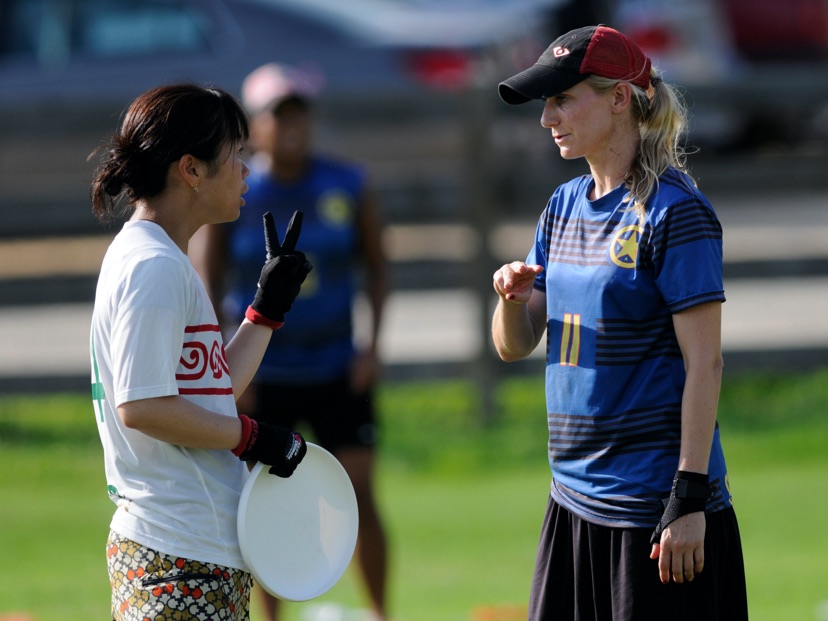
Conflict Resolution
Whenever there is disagreement about a call, players are expected to resolve the dispute on their own by expressing their perspective and listening to others. rnrn
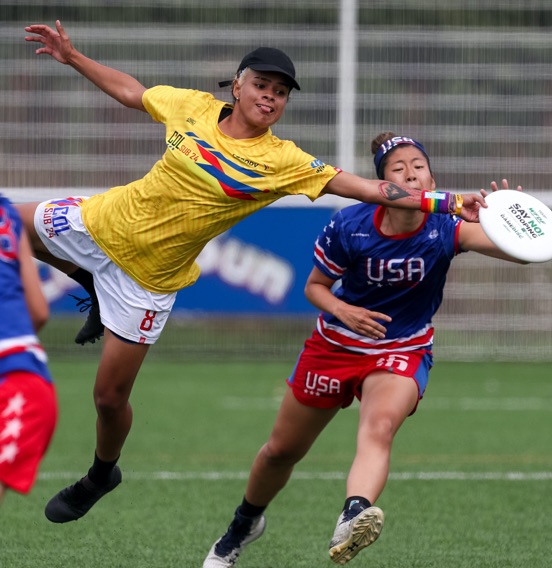
Rules Knowledge
Players are expected to know and follow the rules, and show a willingness to learn when in doubt.
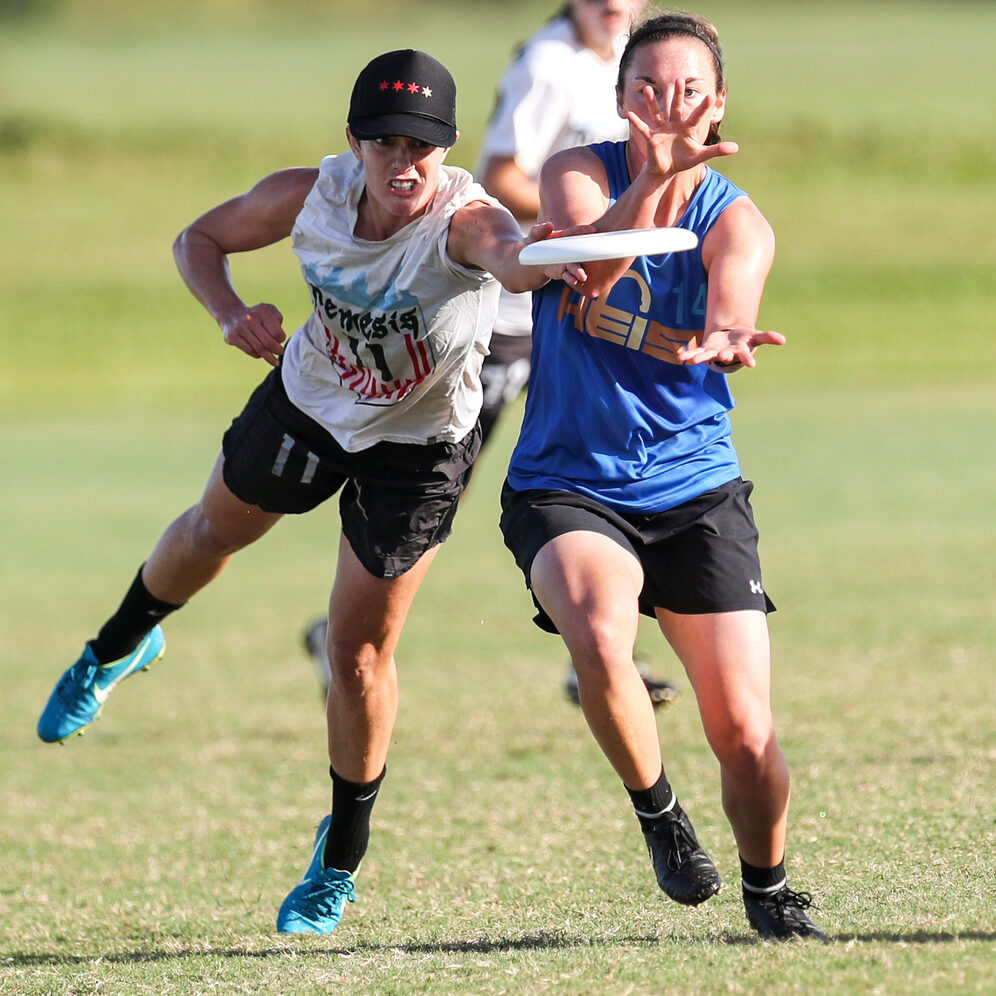
Body Control
Players should avoid fouling, intentional contact and dangerous plays.
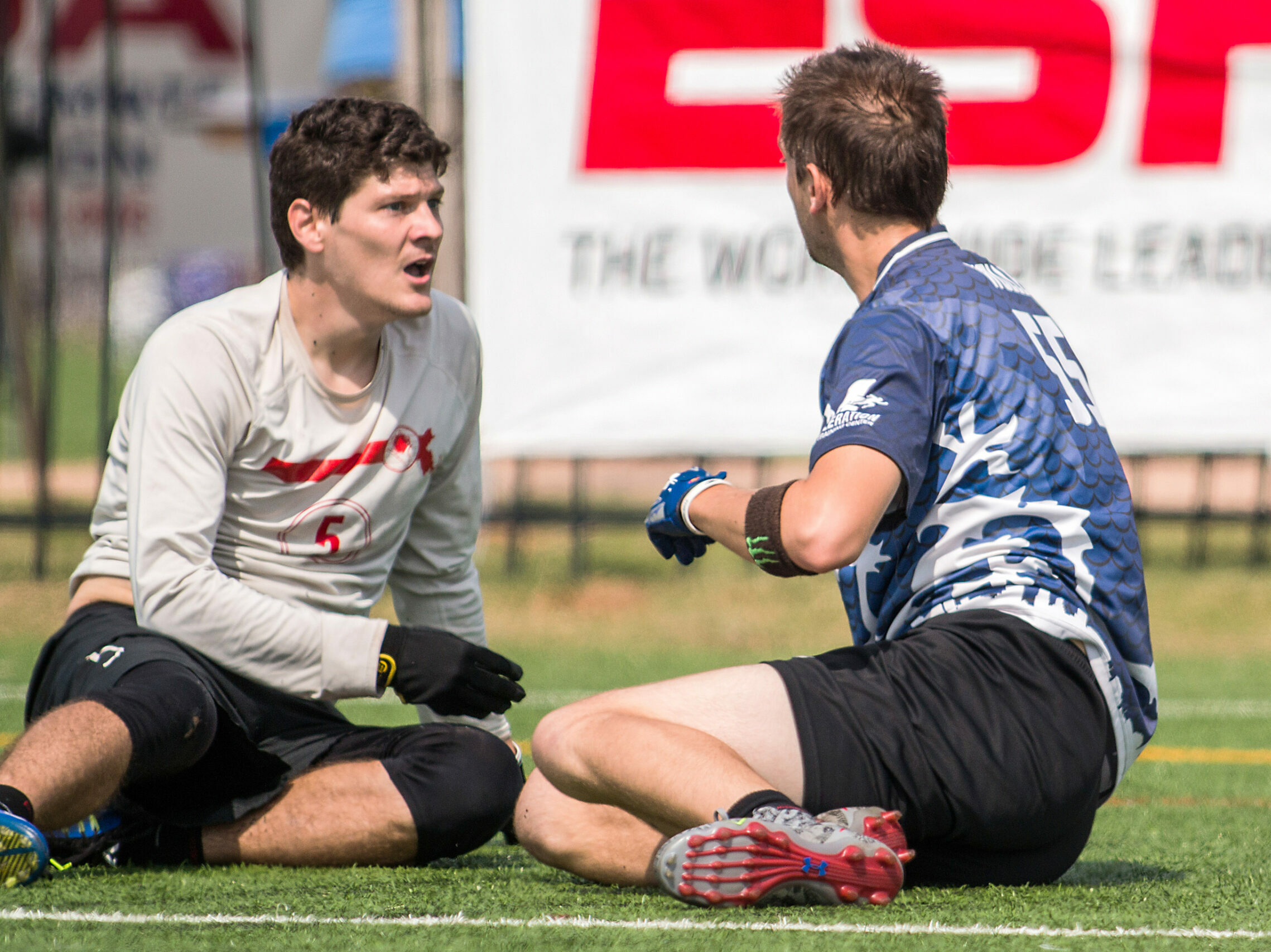
Communication
Players actively listen to different perspectives and engage in efficient discussion about calls.

The Joy of Play
The pure and simple enjoyment of ultimate is at the heart of the sport. rnrnrn

Watch
Discover Spirit
Take a closer look at how Spirit of the Game comes to life naturally on the field.

Spirit of the Game and EDI
Despite being one of ultimate’s greatest aspects, Spirit can unintentionally be an inroad for bias. Lea more about Spirit of the Game in the context of equity, diversity and inclusion.
Why Spirit Matters
Ultimate’s Spirit of the Game philosophy can have a real and profound impact on its players, not just between the lines, but away from the game too. The directives of Spirit of the Game promote and reinforce the following interpersonal skills, which can offer practical and beneficial experiences for those who play.
Personal Responsibility
Without a referee to enforce the rules, Spirit requires that the players are accountable for leaing, and adhering to, the rules.
Communication
Without a neutral third party to mediate conflict, Spirit relies on players to clearly and concisely explain their perspective, while also remaining open to consider their opponents’ viewpoint.
Conflict Resolution
By requiring players to resolve disagreements amongst themselves, Spirit necessitates that players be respectful and aware of their words and body language, so to de-escalate possible conflicts.
Self and Mutual Respect
Spirit encourages players to assume good intentions of their opponent, and respect the dignity of their opponent both during play and when addressing calls.
Self-Confidence
By requiring players to advocate for themselves or their calls, Spirit takes self-confidence to another level. When players are expected to speak up and speak out, it teaches players to trust their ability and judgement.